Queen Elisabeth as the Protector of Hungarians in the Popular Readings and in Hungarian Folk Narratives
DOI:
https://doi.org/10.15170/PAAA.2025.12.01.7.Keywords:
Habsburg folklore, Queen Elisabeth, folk narrative, historical legend, anecdote, popular readings, propagandaAbstract
The essay examines the reasons of the popularity of Queen Elisabeth (1837−1898, Empress of Austria, Queen of Hungary) in Hungarian folklore. The Hungarian folk narratives of Queen Elisabeth (historical legends and anecdotes) rich and varied. The author traces the role played in the origin and shaping of these narratives by propaganda popularising the royal family and populars readings intended for the general public. After 1867 the authors of popular readings strove to reconcile loyalty to the king and national self-esteem. Stories popularising the ruling family appeared in the following publication types: textbooks and teaching aids, guides to the organisation of school celebrations, commemorative albums, decorative albums published on special occasions for individual members of the ruling family (marriage, marriage anniversary, death, etc.), almanacs, collections of anecdotes, press publications. The influence of these reading materials can be observed in the Hungarian-language Habsburg folklore. However the commonest and most varied types of narratives about the royal family found in oral tradition cannot be traced back directly to the influence of the written and visual sources of propaganda, the popular readings. The author aims to show that the oral traditions of Queen Elisabeth were shaped by historical reality, the narrators’ direct experience, imagination, their readings, their propagandistic aims, and not least of all by the laws of folklore, its motifs, narrative and hero types.
Downloads
References
d’Albon, Eugen Baron: Unsere Kaiserin. Wien, 1890.
Ábrányi Kornél: Egy inditvány (A pestbudai zenedének ajánlva). Zenészeti Lapok 7. (1867):33. május 19. 513−514.
Békéssy Lili Veronika: A Nemzeti Színház ünnepei. Az intézmény és a Habsburg-dinasztia. In: Emlékező rítusok és ünneplés. Évfordulók, jubileumok, szent évek. Szerk. Barna Gábor – Taupert Dóra. Szeged, 2018. 187−208.
Borovi Dániel: A viselettörténeti forrásérték problémája Erzsébet királyné magyarországi portréin. In: Divat, egyén, társadalom. A divattörténeti konferencia tanulmánykötete. Szerk. F. Dózsa Katalin – Szatmári Judit Anna – Vér Eszter Virág. Budapest, 2016. 91–109.
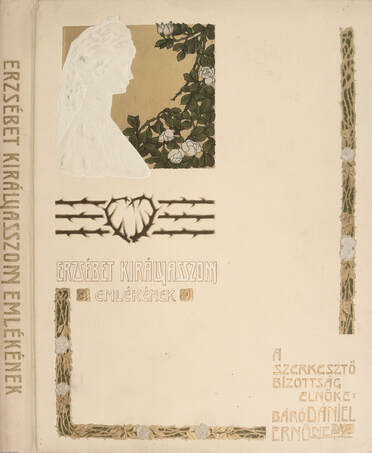
Erzsébet királyasszony emlékének. Hódolat Magyarország nagy királynéjának. Szerk. Dániel Ernőné – Gábel Gyula, Budapest, 1905.
Dömötör Ákos: Hősök és vértanúk. Mondák és visszaemlékezések a szabadságharcról. Budapest, 1998.
Fábry Sándor: Ferenc József és Erzsébet. Emlékbeszéd. Gyula, 1899.
Falk Miksa: Erzsébet királynéról. Visszaemlékezések. Budapest, [1898].
Festetics Mária: Festetics Mária grófnő naplója. Szerk. Walterskirchen, Gudula. Budapest, 2021.
Gaál Károly: Kire marad a kisködmön (Adatok a burgenlandi uradalmi béresek elbeszélő kultúrájához). Szombathely, 1985.
Nemzetünk védőangyala. A magyar nemzet gyermekei számára. Szerk. Gábel Gyula, Budapest, [1899].
Erzsébet. Megemlékezés Magyarország nagy királynéjáról. (A királyi ház fenséges tagjainak és a magyar nemzet jeleseinek kegyeletes közreműködésével.) Szerk. Gábel Gyula, Budapest, 1900.
Gerő András: Ferenc József, a magyarok királya. Budapest, 1999.
Gerő András: Képzelt történelem. Fejezetek a magyar szimbolikus politika XIX−XX. századi történetéből. Budapest, 2004.
Hamann, Brigitte: Erzsébet. Magyar királyné. Budapest, 1988.
Hamann, Brigitte: Habsburg lexikon. Budapest, 1990.
Kelemen Béla: Erzsébet királyné és az irodalom. Székesfehérvár, 1908.
A királyné albuma. Írták: A magyar nők. Budapest, 1900.
Kis képes naptár. Szerk. Bucsánszky Alajos. Pest, 1869.
Landgraf Ildikó: XIX. századi hősök és hőstípusok a magyar történeti mondahagyományban. (Kossuth Lajos és a Habsburgok.) Kandidátusi disszertáció. Kézirat. Magyar Tudományos Akadémia, Budapest, 1997.
Landgraf Ildikó: Ellenségkép a 48-as szóbeli hagyományokban. In: Történelem és emlékezet. Művelődéstörténeti tanulmányok a szabadságharc 150. évfordulójára. Szerk. Kríza Ildikó. Budapest, 1998. 115–129.
Ludvigh Béla: Magyarok csillaga. Vezérkönyv Erzsébet gyászünnepélyek rendezéséhez. Budapest, 1904.
Manhercz Orsolya: Az uralkodó Magyarországon, 1865–1866. In: Vázlatok két évszázad magyar történelméből. Főszerk. GergelyJenő. Budapest, 2010. 35–49.
Manhercz Orsolya: Ferenc József főherceg/császár/király Magyarországon, 1843–1867. Aetas 32. (2017):4. 98–110.
Márki Sándor: Erzsébet Magyarország királynéja. Budapest, 1899.
Monori Wertheimer Ede: Gróf Andrássy Gyula élete és kora. Budapest, 1910.
Pap József: Árpádházi szent Erzsébet tiszteletének története Magyarországon. Eger, 1910.
Sándor István: A késett kegyelem mondái. Ethnographia 59. (1948):1–4. 138–145.
Sándor István: Világos és Arad a magyar néphagyományban. A Magyar Tudományos Akadémia társadalmi-történeti tudományok osztályának közleményei III. (1953):1–2. 105–186.
Schenda, Rudolf: Lesestoffe der kleinen Leute. Studien zur populären Literatur der 19. und 20. Jahrhunderten. München, 1976.
Schenda, Rudolf: Volk ohne Buch. Studien zur Sozialgeschichte der populären Lesestoffe 1770–1910. Frankfurt/M, 1989.
Somogyi Éva: Ferenc József. Budapest, 1989.
Szalay Imre: Az Erzsébet királyné emlékmúzeum. Budapest, 1907.
Szalay Imre: Az Erzsébet királyné emlékmúzeum. 2. kiadás, Budapest, 1909.
Tompos Krisztina: A centenáriumi gyűjtés. A néprajztudomány kihívásai az 1848–49-es forradalom és szabadságharc századik év-fordulóján. In: Varietas delectat. Szerk. Havay Viktória – Veress Dávid. Budapest, 2018. 25–44.
Tóth Béla: A magyar anekdotakincs I–V. Budapest, 1888–1903.
Erzsébet-kultusz II. Szöveggyűjtemény. Budapesti Negyed 14. Szerk. Vér Eszter Virág (2006):3. ősz.
Vér Eszter Virág: Újraértelmezett szerepvállalások – avagy Erzsébet császárné alakváltozásai 1866-ban. Aetas 27. (2012):1. 83–104.
Vér Eszter Virág: „...egy áldott emlékezetű királyné...” Adalékok Jókai Mór mitikus Erzsébet-képének alakulásához. Aetas 30. (2015):1. 59–86.
Vér Eszter Virág: „...elvárják, hogy mindig szépen és kifogástalanul nézzek ki...” Adalékok Erzsébet császárné öltözködési és vásárlási szokásainak magyar vonatkozásaihoz. In: Divat, egyén, társadalom. A divattörténeti konferencia tanulmánykötete. Szerk. F. Dózsa Katalin – Szatmári Judit Anna – Vér Eszter Virág. Budapest, 2016. 71–90.
Vér Eszter Virág: Erzsébet császárné Magyarországon 1866 nyarán: fogadtatás, emlékezet, mítosz. Történelmi Szemle 65. (2023):1. 43−64.
Downloads
Published
How to Cite
License
Copyright (c) 2025 Ildikó Landgraf

This work is licensed under a Creative Commons Attribution-NonCommercial-NoDerivatives 4.0 International License.