Szabadidő az Osztrák–Magyar Monarchia haderejében a 19–20. század fordulóján
DOI:
https://doi.org/10.15170/PAAA.2025.12.01.3.Kulcsszavak:
szabadidő, hadsereg, szabályozás, szabadságolás, tisztikar, közlegények, Osztrák-Magyar MonarchiaAbsztrakt
A tanulmány elsődleges célja a szabadidő fogalmának vizsgálata az Osztrák–Magyar Hadseregben az általános sorkatonai szolgálat időszakában. Egyrészt a hadseregen belül a szabadidőt és a szabadságokat szabályozó jogszabályok sematikus képét kívánja bemutatni, másrészt kortárs forrásokra támaszkodva tárja fel, milyen lehetőségek álltak a katonák rendelkezésére, illetve hogyan töltötték el szabadidejüket. A tanulmány ezzel a szabadidő fogalmának katonai kontextusban való újraértelmezésére is törekszik.
A választott megközelítés szükségszerűen kettős természetű, mivel a szabadidő és a társasági idő megtapasztalása jelentősen eltért a tisztek és a közlegények között – nemcsak jogi különbségek, hanem a két csoport eltérő szociológiai jellemzői miatt is. A tisztikar társasági életének tapasztalatai szoros párhuzamot mutattak a középosztályéval, míg a közkatonák egy, a civil élettől teljesen idegen időfogalommal szembesültek. A hadsereg totális intézményként működött: a laktanya zárt világában a közlegények állandó felügyelet alatt álltak, szigorú rutinhoz és merev időbeosztáshoz alkalmazkodva, amelyek a folytonosságot és a munkavégzés állandóságát hangsúlyozták. Ebben a környezetben a szabadidő különösen fontos szerepet töltött be a katonai élet terheinek enyhítésében. Nem véletlen, hogy a szabad vasárnapok, a különböző munkaszüneti napok, sőt a hivatalos szabadság bevezetése is olyan időszakban történt, amikor ezek a gyakorlatok a polgári társadalomban még kevéssé voltak elterjedtek. Mindazonáltal sok katona számára a katonai élet megterhelései elviselhetetlennek bizonyultak, ami gyakran dezertáláshoz, a legsúlyosabb esetekben pedig öngyilkossághoz vezetett.
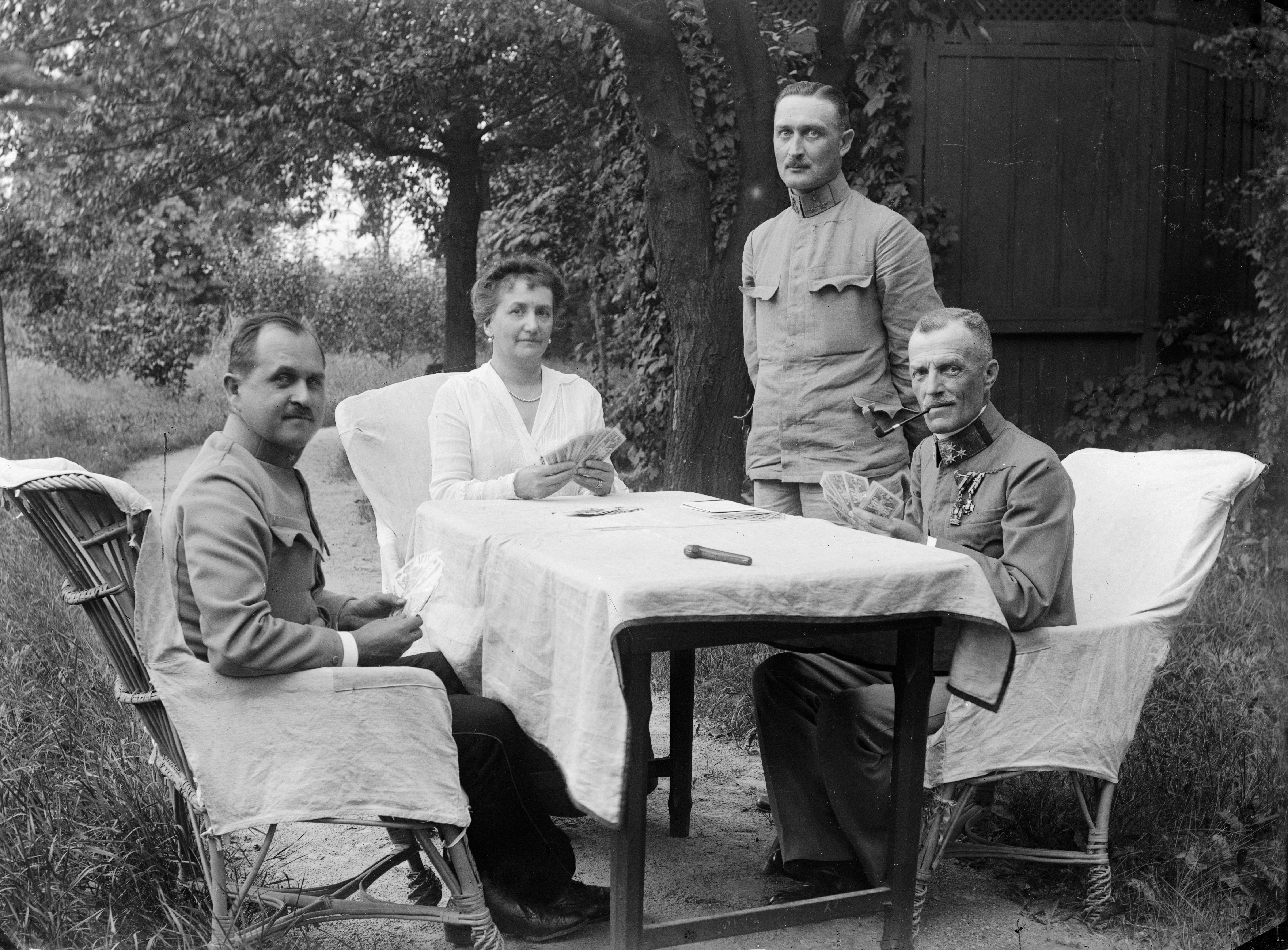
Borítókép: Fortepan / Szerdahelyi Márk
Letöltések
Hivatkozások
Auffenberg-Komarów, Moritz Von: Aus Österreichs Höhe und Niedergang. Eine Lebensschilderung. München, 1921.
Balla Tibor: A dualizmus korában hadtörténete (1867–1914). In: Magyarország hadtörténete III. Magyarország a Habsburg Monarchiában 1718–1919. Szerk.: Hermann Róbert. Budapest, 2015. 209–246.
A mi hadseregünk. Az Osztrák– Magyar Monarchia népei fegyverben és zászlók alatt. Szerk. Danczer, Alfons. Budapest, 1889.
Deák István: Volt egyszer egy tisztikar. A Habsburg-Monarchia katonatisztjeinek társadalmi és politikai története 1848–1918. Budapest, 1993.
Foucault, Michel: Felügyelet és büntetés. A börtön története. Budapest, 1990.
Goffman, Erving: Asylums. Essays in the Social Situation of Mental Patients and Other Inmates. New York, 1961.
Granasztói Péter: Munkaidő, szabadidő, szórakozás. A társadalmi idők átalakulása a 19. században és a 20. század első felében. In: „Atyám megkívánta a pontosságot” Ember és idő viszonya történelemben. Szerk. Fónagy Zoltán. Budapest, 2016. 101–122.
Gyáni Gábor: Az utca és a szalon. Társadalmi térhasználat Budapesten (1870– 1940). Budapest, 1999.
Hajdu Tibor: Tisztikar és középosztály. Ferenc József magyar tisztjei. Budapest, 1999.
Kárpáti Kelemen: Szombathely – Savaria rend. tanácsú város monographiája. II. rész. Szombathely, 1894.
Katona Attila: Huszárrohamok a dualizmuskori Szombathelyen. In: Előadások Vas megye történetéről VI. Szerk. Mayer László és Tilcsik György. Szombathely, 2015. 325–333. (Archivum Comitatus Castriferrei 7.)
Jansa, Alfred: Ein österreichischer General gegen Hitler. Erinnerungen. Nach den Vorarbeiten von Herta und Claude-Maria-Alfred Jansa. Hrsg. Broucek, Peter. Wien–Köln–Weimar, 2011.
Magyar Adorján: Huszáréletem. Budapest, 1993.
Melega Miklós: A modern város születése. Szombathely infrastrukturális fejlődése a dualizmus korában. Szombathely, 2012. (Archivum Comitatus Castriferrei 5.)
Pogányné Rózsa Gabriella: A magyarországi katonai tudományos és kaszinóegyletek könyvtárai a régi századforduló időszakában. Könyv és Nevelés 22. (2020): 3–4. 151–170.
Roth, Joseph: Radetzky-induló. Budapest, 1982.
Scheer, Tamara: Die Sprachenvielfalt in der österreichisch-ungarischen Armee (1867–1918). Wien, 2022. (Schriften des Heeresgeschichtliches Museums. Bd. 31.)
Tangl Balázs: Mindennapi élet a közös hadseregben az általános hadkötelezettség időszakában (1868–1914). Korall 71. (2018): 27–47.
Tangl Balázs: Városi és katonai elit: katonai tisztikar a századfordulós Szombathely társasági életében. Sic Itur Ad Astra 75. (2021): 77–96.
Thompson, Edward P.: Az idő, a munkafegyelem és az ipari kapitalizmus. In: Időben élni. Történeti-szociológiai tanulmányok. Szerk.: Gellériné Lázár Márta. Budapest, 1990. 60–116.
Varga Nóra: „A buja életnek gyakorlásábul szármozni szokott veszedelmes nyavalák” Szombathelyen a századfordulón. In: Előadások Vas megye történetéről III. Szerk.: Tilcsik György. Szombathely, 2000. 283–298. (Vas megyei levéltári füzetek 9.)
Závodi Szilvia: A katonatiszti családok társadalmi megítélése és megbecsülése a XX. század első felében. Hadtörténelmi Közlemények 129. (2016.): 4. 1055–1078.
Zeynek, Theodor Ritter von: Ein Offizier im Generalstabskorps erinnert sich. Hrsg. Broucek, Peter. Wien–Köln–Weimar, 2009.
Downloads
Megjelent
Hogyan kell idézni
Folyóirat szám
Rovat
Categories
License
Copyright (c) 2025 Balázs Tangl

This work is licensed under a Creative Commons Attribution-NonCommercial-NoDerivatives 4.0 International License.