Interpreting the spatial dimensions of theoretical and practical knowledge transfer: The case of two industrial training institutions in Budapest during the Dualist Era
DOI:
https://doi.org/10.15170/PAAA.2026.13.01.03Keywords:
industrial education, spaces for learning and teaching, historical source analysis, typology, archival sources, visual sources, school and museumAbstract
The aim of our research was to gain a deeper understanding of the professional requirements of the period in relation to the interior design of two industrial education institutions established after 1867, the Higher Industrial School and the Budapest Municipal Industrial Drawing School, and, through this, of the aspects of the formation of the infrastructural background that are significant in terms of the history of education. Based on this, we formulated the following research questions. 1. What picture emerges from the sources regarding the design of institutional spaces? 2. How was the profession-specific function implemented during the design and construction of the buildings? 3. To what extent do the histories of the two institutions resemble each other in terms of the coordination of infrastructural issues and the organization of education?
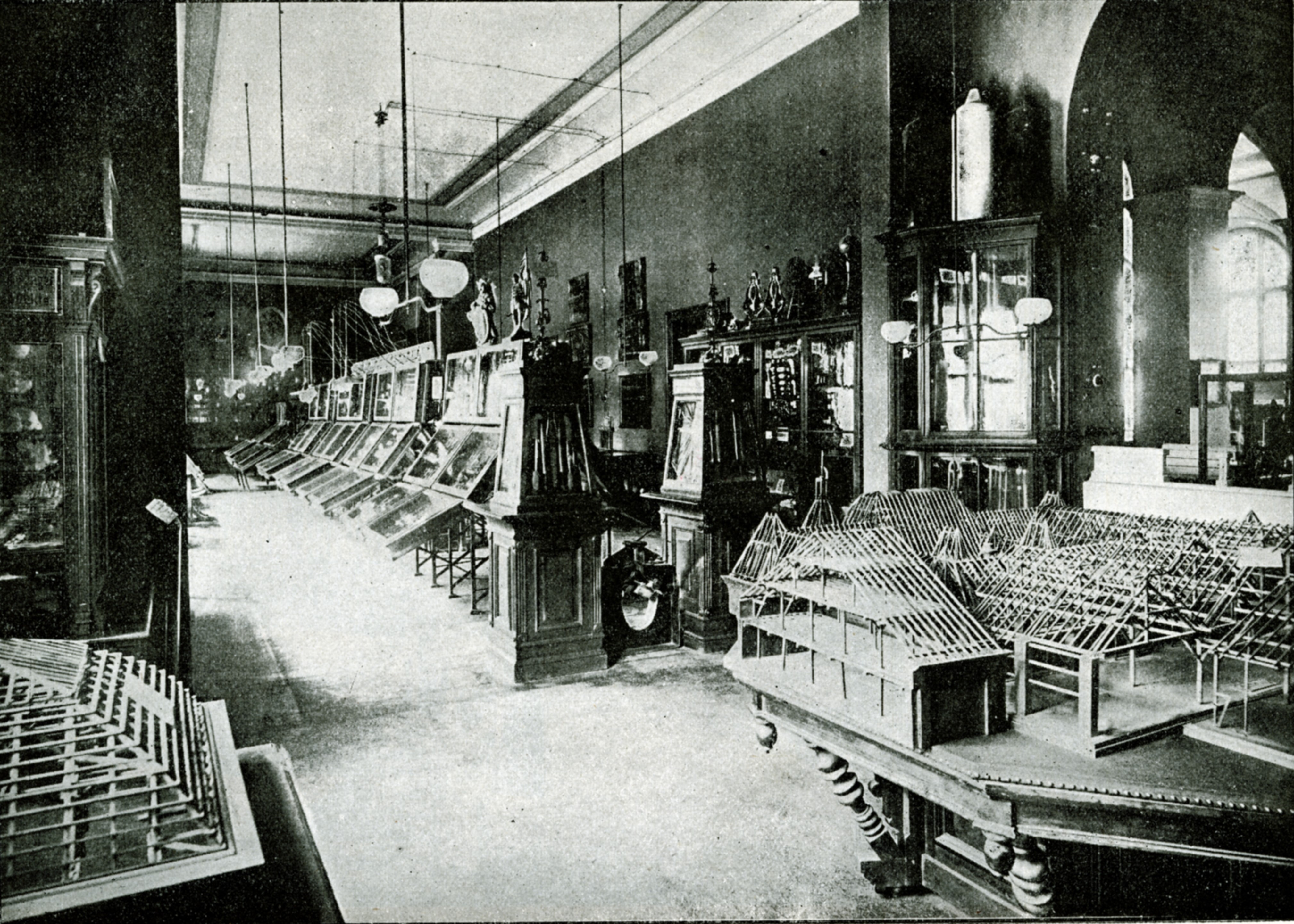
Several works on the history of education and art have already examined these institutions, but our current study focused on a relatively unexplored area, namely the analysis of interior spaces. Documents examined through historical source analysis were provided by archival sources and school periodicals for both institutions. In one case, the visual sources consisted of the photos published in these sources and the photographs taken by György Klösz, while in the latter case, they consisted of the plans kept in the Budapest City Archives and the photographic material of the Schola Graphidis Art Collection, which we examined using typological methods.
Our findings show that when designing school spaces, the harmony between infrastructure and educational organisation – alongside the application of Western models – was achieved in accordance with specific requirements. For the Budapest Municipal Industrial Drawing School, this meant that the institution's function as a design school and the need to house the school's collection were taken into account, thus combining the school and quasi-museum functions in the design of the building, while a complex system was created at the Higher Industrial School with the establishment of the Museum of Technology.
Downloads
References
Bodóczky István: A rajztanítás speciális jellege és módszertana a Budapest Székesfővárosi Iparrajziskola elődintézményeiben (1778-1886). Ars Hungarica 46. (2020):1. 7-18.
Iskolaépítészet Magyarországon. Szerk. Dull Andrea - Somogyi Krisztina - Tamáska Máté. Budapest, 2021.
Glózer Rita: Diszkurzív módszerek. In: Közösségtanulmány. Módszertani jegyzet. Szerk. Kovács Éva. Budapest, 2007. 260-267.
A magyarországi iskolai értesítők bibliográfiája 1850/51 - 1948/49. 5. kötet. Szerk. Gráberné Bősze Klára - Léces Károly. Budapest, 1999.
Hercz Mária - Sántha Kálmán: Pedagógiai terek iskolai implementációja. Architektúra és funkcionális terek a mindennapok pedagógiai világában. Iskolakultúra 19. (2009):9. 78-94.
A budapesti M. Kir. Állami Felsőipariskola emlékkönyve az intézet 60 éves fennállása alkalmából. Szerk. Jesch László. Budapest, 1939.
Katona Júlia: Minták után szabadon? Rajzoktatás a Budapest Székesfővárosi Iparrajziskolában. Ars Hungarica 46. (2020):1. 19-30.
Katona Júlia: A Schola Graphidis Művészeti Gyűjtemény. In: Lélek, anyag, mesterség. Tradíció és megújulás a szépmíves oktatásban. Szerk. Nagy Barbara - Jánovszki Tamás. Budapest, 2025. 6-43.
Kemnitz, Heidemarie: Pedagógiai architektúra - A pedagógiai terek kialakításának lehetőségei két iskola példája alapján. Magyar Pedagógia 103. (2003):1. 119-128.
Kéri Katalin: Mi a neveléstörténet? A diszciplína múltja, jelene és jövője. Pécs, 1997.
Kéri Katalin: Bevezetés a neveléstörténeti kutatások módszertanába. Budapest, 2001.
Kéri Katalin - Szabolcs Éva: Téri fordulat a nevelés- és gyermekkortörténet kutatásában. Gyermeknevelés Tudományos Folyóirat 10. (2022):4. 91-100. ǁ [DOI] https://doi.org/10.31074/gyntf.2022.4.91.100
A magyar nyelv történeti-etimológiai szótára. 2. kötet. Szerk. Kiss Lajos - Papp László. Budapest, 1970.
Kontra József: A pedagógiai kutatások módszertana. Kaposvár, 2011.
Maksay László: A Fővárosi Iparrajziskola (1886-1945). In. A 175 éves Képző- és Iparművészeti Gimnázium jubiláris évkönyve. Közzéteszi: Nolipa István Pál. Budapest, 1955. 48-63.
Mann Miklós: Budapest oktatásügye 1873-2000. Budapest, 2002.
Mikonya György: Az iskolai térszerkezet történeti alakulása. Neveléstörténet 14. (2017):1-2. 74-83.
Móra László: Az Országos Műszaki Könyvtár és Dokumentációs Központ története (1883-1949). Budapest, 1980.
Nagy Barbara: Az iparrajzoktatás keretei. A Budapest Székesfővárosi Iparrajziskola szervezete és épülete. Ars Hungarica 46. (2020):1. 31-40.
Németh András: A tanterem és berendezésének története. Iskolakultúra 12. (2002):9. 17-28.
Nóbik Attila: Professzionalizáció és iskolai tér Az Elemi Népoktatás Enciklopédiájában. In: Égi iskolák, földi műhelyek. Szerk. Baska Gabriella - Hegedűs Judit. Budapest, 2015. 91-107.
Péch Aladár: Szertárak. In: Pedagógiai Lexikon. 2. kötet. Szerk. Fináczy Ernő - Kornis Gyula - Kemény Ferenc. Budapest, 1936. 693.
Sanda István Dániel: A pedagógiai tér minőségi dimenziói. Értelmezési lehetőségek - elmélet és gyakorlat. Képzés és Gyakorlat 10. (2012):1-2. 144−158.
Schrek Katalin: Vizuális források. In: Bevezetés a történettudományba és a történelemkutatás módszereibe. Szerk. Kerepeszki Róbert - Schrek Katalin. Pécs, 2023. 175-182.
Szabolcs Éva: A kvalitatív kutatási módszerek megjelenése a pedagógiában. Magyar Pedagógia 99. (1999):3. 343-348.
Szabolcs Éva: Kvalitatív kutatási metodológia a pedagógiában. Budapest, 2001.
Szabolcs Éva: Tartalomelemzés. In: Bevezetés a pedagógiai kutatás módszereibe. Szerk. Falus Iván. Budapest, 2004. 330-339.
Székely Miklós: Nemzet, ipar, művészet. A kolozsvári I. Ferenc József Iparmúzeum 1887-1918. (Magyar Történelmi Emlékek/Értekezések) Budapest, 2017.
Székely Miklós: Schools and Museums of Modern Design in Transylvania Around 1900. Budapest, 2023.
Klösz György (1844-1903). Összeállította: Szél László. 2025. (https://www.gyogyszeresztortenet.hu/wp-content/uploads/2025/02/Szel-LAszlo-Klosz-Gyorgy-2025.pdf) [2026.04.20.]
Szterényi József: Az iparoktatás Magyarországon. Budapest, 1897.
Tamás Ágnes: Visual History: a történettudományos képelemzés megújítása? Aetas 37. (2022):3. 156−168.
Tamáska Máté: A tanulás helyei: társadalom és iskolaépítészet. In: A tanulás helyei: iskolaépítészet. Szerk. Tamáska Máté - Sárkány Péter. Budapest, 2017. 9-13.
Vörös Katalin: A szakoktatás-politika és modernizáció a 19. század végi Magyarországon. In: A neveléstörténet változó arcai. A múlt értékei, a jelen kihívásai és a jövő. Szerk. Baska Gabriella - Hegedűs Judit - Nóbik Attila. Budapest, 2013. 94-105.
Downloads
Published
How to Cite
Issue
Section
Categories
License
Copyright (c) 2026 Barbara Nagy, Bence Ruzsa, Beatrix Vincze, Zoltán András Szabó, Imre Garai

This work is licensed under a Creative Commons Attribution-NonCommercial-NoDerivatives 4.0 International License.