Egyetemi hagyományok és tanárképzés
Az intézményi keretek változása Pécsett
DOI:
https://doi.org/10.15170/PAAA.2014.01.01.04Kulcsszavak:
egyetemtörténet, pedagógusképzés, Erzsébet Tudományegyetem, Bölcsészettudományi Kar, Pécsi Pedagógiai/Tanárképző Főiskola, Pécsi TudományegyetemAbsztrakt
The past of teacher training in Pécs is inseparable from the wider history of the University of Pécs and from the sometimes rather heroic struggles for survival of the university and of its individual faculties. At the same time, the history of teacher training also exemplifies what energies can be gained from tradition, sometimes in seemingly hopeless situations.
Although teacher training, as a particular field of higher education, belongs to the university’s twentieth-century history, the tradition and historical roots of the University of Pécs cannot be ignored. The foundation of the medieval universitas in the 14th century had already been surrounded by problems very much similar to the difficulties that we have to tackle today, including the question of financing, and the tension between our aims and our possibilities. In the Middle Ages, teacher training was not isolated within the educational system, but constituted an organic part of the whole, conforming to the principle of docendo discimus. The existence of the universitas in the Middle Ages was strongly connected with the bishop’s person (William of Koppenbach) and the same can be said of the attempt to re-establish the university in the eighteenth century by Bishop György Klimo. It is the latter who accumulated the Klimo Library which today serves as the basis of our University Library.
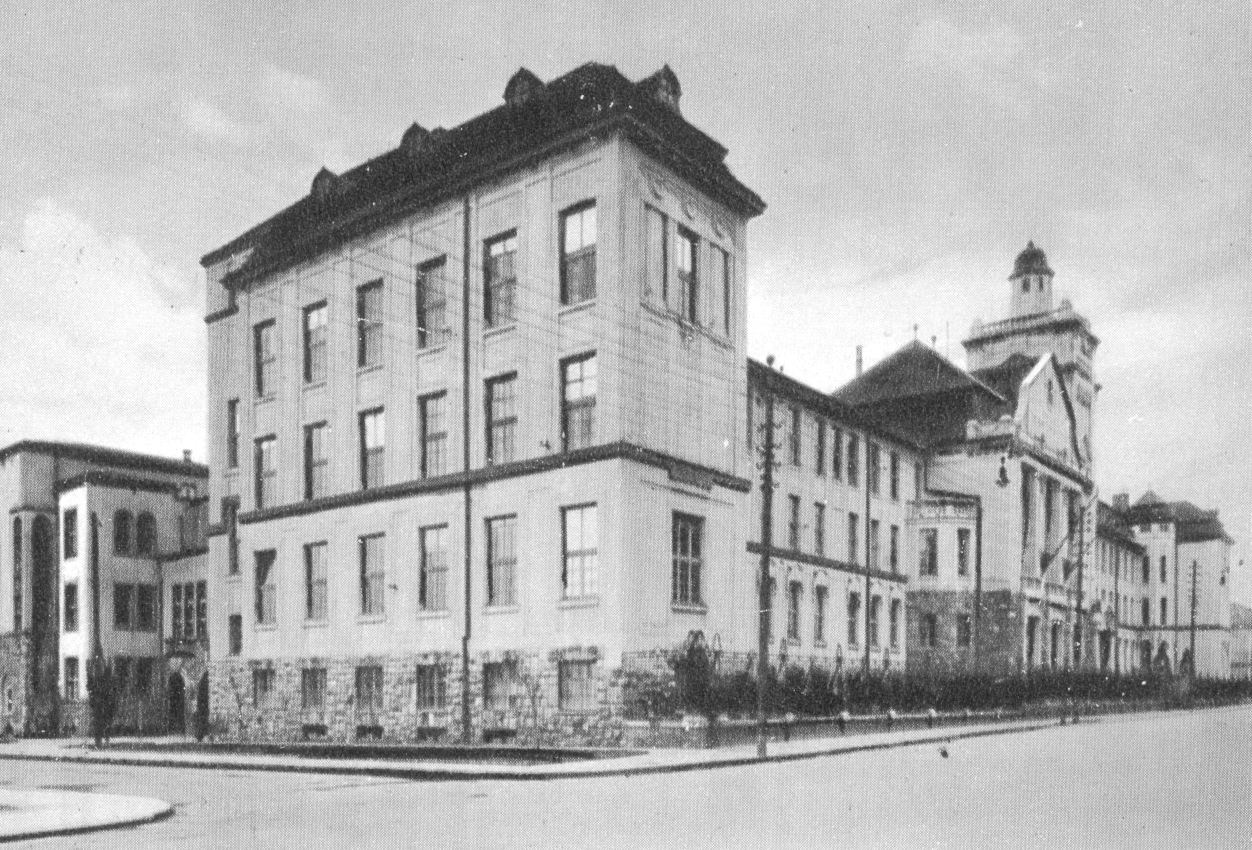
In the twentieth century, Pécs, strictly speaking, owed each of its four faculties to the Treaty of Trianon: the Royal Erzsébet University, founded in 1912, had to be moved from its original hometown of Pozsony (Bratislava). The university at Bratislava, after a brief transitional period in Budapest (1920–1923), was moved to Pécs. During its operation in Pécs, the thought that the university’s presence in that city was only transitory was continually „in the air”. The Faculty of Theology, operating in Sopron, was only loosely tied to the institution in Pécs. The Faculty of Medicine has always had a well-established and significant number of teachers and students and there developed a substantial clinical background. The new building, having been erected to accommodate the Faculty of Law by 1934, offered stability in the midst of temporality for the faculty. The building, designed for the Faculty of Humanities, was never finished; besides financial difficulties, there arose personal problems thus the project, regarded to be „the weakest link in the chain”, was terminated.
The Pedagogical College, founded in 1948, was the experimental field of training for a long time: students graduated with double and triple majors after finishing two-, three-, and four-year programmes. Until 1964, this form of education had also been characterized by instability; the all-too-frequent reorganizations resulted in the lack of any demand for systematic scholarly research. After the 1970s, the educational framework became more standardized and double-degree programmes, lasting for four years, became the common structure. Since then, “PedCol”, or “Pedfő”, as the people of Pécs used to call it, had become a nationally acknowledged teacher training centre which, by 1982, was ready to offer ground for setting up a university faculty, the Faculty of Education.
In 1982, the existence of the new institution, now a university, meant that the previous Teacher Training College had to raise its standards and adjust them to those of other national faculties of humanities as well as to improve its pedagogical content and methods. The structure of training had become similar to the programmes of the other faculties of humanities by the end of the 1980s: the experimental period was declared to be over in 1988. In 1992, the Faculty of Education was split into the Faculty of Humanities and the Faculty of Sciences, then a Faculty of Music and Visual Arts was established. At present, six out of ten faculties of the university are involved in teacher training, its host institute being an inter-faculty organization, the Centre for Coordinating Teacher Training (“PKK”).
(Translated by Gabriella Hartvig)
Letöltések
Hivatkozások
Barta István: Középkori szellemi művelődésünk és a középkori egyetemek. Budapest, 1937.
Békefi Remig: A pécsi egyetem. Budapest, 1909.
Boda Miklós: Stúdium és literatúra. Művelődéstörténeti tanulmányok. Pécs, 2002.
A Magyar Királyi Erzsébet Tudományegyetem Bölcsészet-, Nyelv- és Történettudományi Kar tanácsülési jegyzőkönyveinek napirendi pontjai. 1918−1940. Szerk. és összeáll. Kovács Adrienn. (PTE Egyetemi Levéltár kiadványai 2. Sorozatszerk. Lengvári István) Pécs, 2012.
Memoria Professorum Quinqueecclesiensium. Az Erzsébet Tudományegyetem és a jogutód intézmények professzorai. Szerk. Czibók Balázs − Jankovits László − Nagy Ferencné. Pécs, 2000.
Fedeles Tamás: Studium generale Quinqueecclesiense. In: A Pécsi egyházmegye története I. (1009–1543). Szerk. Fedeles Tamás – Sarbak Gábor – Sümegi József. Pécs, 2009. 557−572.
Fedeles Tamás: A középkori pécsi egyetem. In: Fedeles Tamás – Lengvári István – Pohánka Éva – Polyák Petra: A pécsi felsőoktatás évszázadai. Pécs, 2011. 14−31.
Fedeles Tamás: Eztán Pécs tűnik szemünkbe. A város középkori históriája 1009–1526. Pécs, 2011.
Fedeles, Tamás – Koszta, László: Pécs (Fünfkirchen) das Bistum und die Bischofsstadt im Mittelalter. (Publikationen der ungarischen Geschichtsforschung in Wien Bd. II.) Wien, 2011.
Font, Márta: Ede Petrovich, der Forscher der mittelalterlichen Universität von Pécs/Fünfkirchen. In: Die ungarische Universitätsbildung. Hrsg. Font, Márta – Szögi, László. Pécs, 2001. 75−85.
Tanulmányok Petrovich Ede tiszteletére. Szerk. Font Márta. (Tanulmányok Pécs történetéből 9.) Pécs, 2001.
Font Márta: A középkori pécsi egyetem. Jelenkor 45. (2002):5. 473−479.
Gyánti István: Halasy-Nagy József. In: Pécs Lexikon. I. kötet. Főszerk. Romváry Ferenc. Pécs, 2010. 284.
Klaniczay Tibor: Megoldott és megoldatlan kérdések az első magyar egyetem körül. Irodalomtörténeti Közlemények 78. (1974):2. 161−177.
Klaniczay Tibor: Egyetem és politika a magyar középkorban. In: Eszmetörténeti tanulmányok. Szerk. Székely György. Budapest, 1984. 35−44.
Koller, Josephus: Historia episcopatus Quinqueecclesiarum. I–VII. Posonii – Pesthini 1784−1812.
Koszta László (ford.): Az egyetem alapítólevele. In: Pécs ezer éve. Szemelvények és források a város történetéből (1009–1962). Történelmi olvasókönyv. Főszerk. Márfi Attila. Pécs, 1996. 49−51.
Kovács Adrienn: A jegyzőkönyvek keletkezési körülményei és forrásértékük. In: A Magyar Királyi Erzsébet Tudományegyetem Bölcsészet-, Nyelv- és Történettudományi Kar tanácsülési jegyzőkönyveinek napirendi pontjai. 1918−1940. Összeáll. Kovács Adrienn. (PTE Egyetemi levéltár kiadványai 2. Sorozatszerk. Lengvári István) Pécs, 2012. 14−17.
Kubinyi András: A középkori magyarországi városhálózat hierarchikus térbeli rendjének kérdéséhez. Településtudományi közlemények 23. (1971) 58−78.
Kubinyi András: Pécs gazdasági jelentősége és városiassága a középkorban. In: Pécs szerepe a Mohács előtti Magyarországon. Szerk. Font Márta. Pécs, 2001. 43−52.
Lengvári István: A Bölcsészet-, Nyelv és Történettudományi Kar. In: Fedeles Tamás – Lengvári István – Pohánka Éva – Polyák Petra: A pécsi felsőoktatás évszázadai. Pécs, 2011. 75−79.
A pécsi bölcsészkar bölcsője. A Pécsi Tanárképző Főiskola egyetemi karrá válása és az egységes, egyetemi szintű tanárképzési kísérlet. Szerk. Lengvári István − Polyák Petra. Pécs, 2013.
Mályusz Elemér: Egyházi társadalom a középkori Magyarországon. Budapest 2007.
Magyar felsőoktatás. Az 1936. évi december hó 10-től december hó 16-ig tartott Országos Felsőoktatási kongresszus munkálatai. Szerk. Mártonffy Károly. Budapest, 1937.
Matschinegg, Ingrid: Studentische Migration im Umfeld der Universität Wien (14−15. Jahrhundert). In: Die ungarische Universitätsbildung und Europa. Hrsg. Font, Márta – Szögi, László. Pécs, 2001. 109−116.
Régi magyar egyetemek emlékezete. Memoria universitatum et scholarum maiorum regni Hungariae 1367–1777. Ed. Szögi, László. Budapest, 1995.
Petrovich Ede: Pécs középkori kórháza. In: Janus Pannonius Múzeum Évkönyve, 1960. Szerk. Dombay János. Pécs, 1961. 271–274.
Petrovics István: A középkori Pécs polgárai. In: Pécs szerepe a Mohács előtti Magyarországon. Szerk. Font Márta (Tanulmányok Pécs történetéből 9.) Pécs, 2001. 163−196.
Petrovics István: A középkori pécsi egyetem és alapítója. Aetas 20. (2005):4. 29−40.
Pohánka Éva: A pozsonyi egyetemalapítás. In: Fedeles Tamás – Lengvári István – Pohánka Éva – Polyák Petra: A pécsi felsőoktatás évszázadai. Pécs, 2011. 49−52.
Pohánka Éva: A budapesti évek. In: Fedeles Tamás – Lengvári István – Pohánka Éva – Polyák Petra: A pécsi felsőoktatás évszázadai. Pécs, 2011. 53−54.
Polyák Petra: A Pedagógiai/Tanárképző Főiskola. In: Fedeles tamás – Lengvári István – Pohánka Éva – Polyák Petra: A pécsi felsőoktatás évszázadai. Pécs, 2011. 105−114.
Polyák Petra: Tanárképzés Pécsett a 20. században. In: Mandulavirágzási Tudományos Napok: Tudomány-Egyetem. A Pécsi Egyetem és hallgatói a középkortól napjainkig. Témavezető: Font Márta [CD-ROM]. Szerk. Font Márta – Kuráth Gabriella – Mayer Lilla – Farkas Gyöngyvér Csilla − Pálfi Melinda. Pécs, 2013. 32−35.
Csabai Zoltán − Dévényi Anna − Fischer Ferenc − Hahner Péter − Kiss Gergely − Vonyó József: Előszó. A pécsi történelem-képzés rövid története. In: Pécsi Történeti Katedra. Szerk. Csabai Zoltán − Dévényi Anna − Fischer Ferenc − Hahner Péter − Kiss Gergely − Vonyó József. Pécs, 2008. 9−14.
Roth, Harald – Gündisch, Konrad: Fünfkirchen/Pécs. Geschichte einer Europäischen Kulturhauptstadt. Wien−Köln−Weimar, 2010. 33−34. || [DOI] https://doi.org/10.7767/boehlau.9783205790402
Sándor László: Weszely Ödön. In: Pécs Lexikon. II. kötet. Főszerk. Romváry Ferenc. Pécs, 2010. 406.
Schuch, Gereon: A pécsi bölcsészettudományi kar megszüntetése 1940-ben és az intézeti könyvtár sorsa. Függőben lévő kérdések. In: Tanulmányok Pécs történetéből, 10−11−12. Szerk. Varga Lajos − Vonyó József. Pécs, 2001. 301−306.
Szabó Pál: A M. Kir. Erzsébet Tudományegyetem és irodalmi munkássága. Pécs, 1940.
A kompetencia-alapú pedagógusképzés regionális szervezeti, tartalmi és módszertani fejlesztése a Pécsi Tudományegyetem és a Kaposvári Egyetem részvételével. Szerk. Szendiné Faragó Adrienne. Pécs, 2011.
Szögi, László: Die Universitäten Ungarns vom Mittelalter bis zum aufgeklärten Absolutismus. In: Régi magyar egyetemek emlékezete. Memoria universitatum et scholarum maiorum regni Hungariae 1367–1777. Ed. Szögi, László. Budapest, 1995. 25−36.
Weszely Ödön: Az egyetem eszméje és típusai. A M. Kir. Erzsébet Tudományegyetem ünnepi közgyűlésén, 1929. szeptember 22-én tartott rektori székfoglaló előadás. Budapest 1929. (http://mek.oszk.hu/01900/01934/html/weszel13.htm) [2012.10.11.]
Zimmermann, Harald: Wilhelm von Koppenbach, der Gründer der Universität Fünfkirchen. In: Die ungarische Universitätsbildung und Europa. Hrsg. Font, Márta – Szögi, László. Pécs, 2001. 33−39.
Downloads
Megjelent
Hogyan kell idézni
Folyóirat szám
Rovat
License

This work is licensed under a Creative Commons Attribution-NonCommercial-NoDerivatives 4.0 International License.