Udvari erények és bűnök zooikonológiája
DOI:
https://doi.org/10.15170/PAAA.2019.06.01.02Kulcsszavak:
művelődéstörténet, zooikonológia, emblémáskönyv, szimbólum, ItáliaAbsztrakt
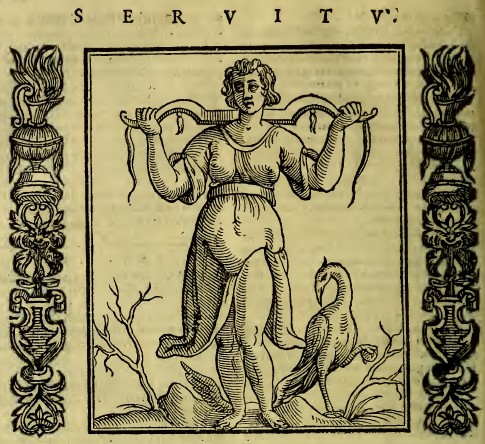
The visual culture of the 16–17th century is certainly one of the most spectacular chapters in the history of iconology and the history of art, literature and culture in general. Special discourses of the 16th century and especially works upon practical use in the theoretical elaboration of iconology had the inclusion of a significant number of animals as attributes. These symbols had become much more frequent, and also more pronounced in terms of variations and modifications than it has been known in research so far. The mentioned emblems preferred to use animals to visualize the virtues to be followed and the vices to be avoided, since animal symbolism was part of the allegorical and moral considerations of the time, thus perfectly suited as a tool of representation for the prevailing social, political, and ideological conditions.
Letöltések
Hivatkozások
Békés, Enikő: The Physiognomy of a Renaissance Ruler. Portraits and Descriptions of Matthias Corvinus, King of Hungary. Saarbrücken, 2009.
Vígh Éva: Moralità di corte nell’Iconologia di Cesare Ripa. In: Vígh Éva: Barocco etico-retorico. Szeged, 2001. 43–70.
Vígh Éva: Az udvari élet művészete. Budapest, 2004.
Vígh Éva: A barokk fejedelem képe Guido Casoni politikai emblémáiban. In: A hatalom jelei, képei és terei. Szerk. Szirmai Éva – Tóth Szergej – Újvári Edit. 2016. 181–194. (Jel-kép-tér 2)
Vígh Éva: Zooikonológia: állatszimbolika Cesare Ripa emblémáskönyvében. In: Vígh Éva: Állatszimbolika a közép- és újkori Itália irodalmában. Szeged, 2018. 241–256.
Vígh Éva: Zooikonológia: az érzékek és érzékiség állatszimbolikája Cesare Ripa emblémáskönyvében. In: Állati jelek, képek és terek II. Szerk. Szirmai Éva – Tóth Szergej – Újvári Edit. Szeged, 2018. 89–100. (Jel-kép-tér 3)
Vígh Éva: Állatszimbolika az ikonológus–mesemondó Giulio Cesare Capaccio műveiben. In: Vígh Éva: Állatszimbolika a közép- és újkori Itália irodalmában. Szeged, 2018. 257–270.
Állatszimbólumtár. Szerk. Vígh Éva. Budapest, 2019. 140–141.; 195–199.
Downloads
Megjelent
Hogyan kell idézni
Folyóirat szám
Rovat
License

This work is licensed under a Creative Commons Attribution-NonCommercial-NoDerivatives 4.0 International License.