Political Concensuses and Compromises in Relation to Anjou Expansion (Twelfth and Thirteenth Centuries)
DOI:
https://doi.org/10.15170/SPMNNV.2025.14.03Kulcsszavak:
Angevins, political compromise, consensus, Kingdom of Jerusalem, County of Anjou, Fulk V, Henry II of England, Charles of Anjou, medieval political cultureAbsztrakt
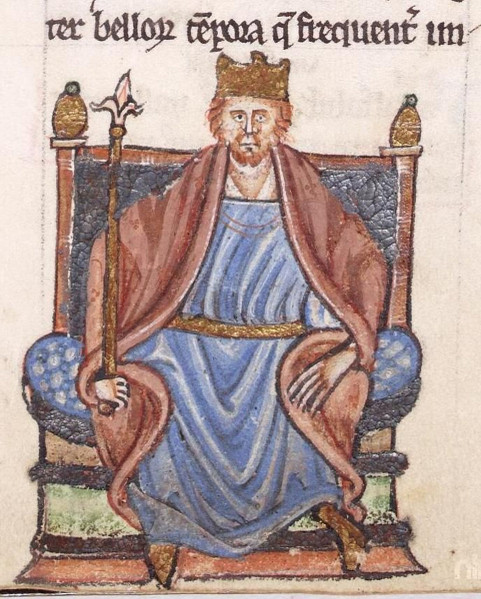
This study examines the role of political compromise and consensus in the expansion of Angevin dynastic power during the twelfth and thirteenth centuries. It focuses on three major cases of crown acquisition originating from the County of Anjou: the accession of Fulk V to the throne of Jerusalem, the rise of Henry II to the English crown, and the establishment of Charles of Anjou in Naples and Sicily. Rather than interpreting these successes solely as results of conquest, the article emphasizes the importance of negotiation, adaptation, and power-sharing with local elites. The reign of Fulk of Jerusalem illustrates how compromise functioned as a practical political strategy in managing conflicts with aristocratic factions and external powers such as Byzantium. In the case of Henry II, strong royal authority and administrative reform often reduced the immediate need for compromise, though the cultivation of loyalty among the nobility remained essential. Charles of Anjou similarly combined centralizing reforms with pragmatic respect for existing legal traditions, particularly in Provence and southern Italy. Across these examples, compromise appears both as a tool of conflict resolution and as a means of preventing conflict altogether. The study argues that Angevin political practice reflects a transitional stage between feudal consensus and the later development of more institutionalized political systems.
Downloads
Megjelent
Folyóirat szám
Rovat
License

This work is licensed under a Creative Commons Attribution-NonCommercial-NoDerivatives 4.0 International License.
